
Warm White vs Cool White vs Natural White: Which LED Light is Right for Each Room?
Use Warm White (2700–3000K) in bedrooms, dining rooms, and living areas. Use Natural White (4000K) in kitchens, home offices, and bathrooms. Use Cool White (6000–6500K) in study rooms, garages, or anywhere you need sharp, bright task lighting. Most Indian homes get this wrong, and it affects how every room feels.
Walk into any lighting store in India and you will be asked the same question: warm white, natural white, or cool white? Most buyers shrug and pick something at random. This guide explains the actual difference, why it matters far more than most people realise, and gives you a definitive room-by-room answer so you never have to guess again.
What is Colour Temperature? (Explained Simply)
Colour temperature is measured in Kelvin (K) and describes the tone of a light source, from warm amber at the low end to cold blue-white at the high end. It has nothing to do with how hot the bulb gets physically. It describes the colour of the light itself.
|
Type |
Kelvin Range |
Appearance |
Best For |
|
Warm White |
2700–3000K |
Amber/golden glow |
Bedroom, dining, living room |
|
Natural White |
3500–4000K |
Clean, neutral white |
Kitchen, bathroom, office |
|
Cool White |
5000–6500K |
Bright, blue-white |
Study room, garage, retail |
Warm White (2700–3000K): The Colour of Comfort
Warm white light mimics the golden quality of incandescent bulbs and candlelight. It produces an amber-toned glow that is soft, flattering, and instinctively relaxing. This is the colour temperature that makes restaurants feel inviting, hotel rooms feel luxurious, and living rooms feel like actual homes rather than showrooms.
Use Warm White In:
• Bedroom: Warm white is the non-negotiable choice for bedrooms. Cool light suppresses melatonin, the hormone that helps you sleep. Warm light at 2700–3000K supports your body's natural wind-down process in the evening. It is also the most flattering light for skin tones.
• Dining Room: The colour temperature that makes food look appetising and faces look warm. Every quality restaurant uses warm white for exactly this reason. Pair it with an amber glass shade (like our Lotus Leaf Wall Lamp) and the effect is extraordinary.
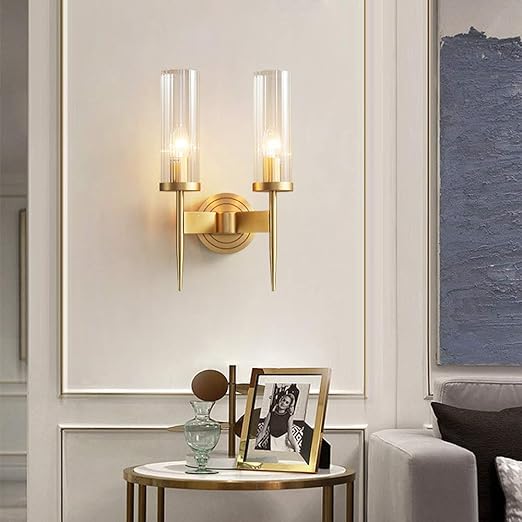
• Living Room: For ambient and accent lighting in the living room, warm white creates the welcoming, relaxed atmosphere that makes people want to stay. Use it in wall sconces, chandeliers, and accent lights.
• Hallways and Entryways: Warm white sets the tone of the home the moment a guest walks in. A warm-lit hallway feels inviting; a cool-lit one feels clinical.
Sparc Lights products available in Warm White: Deer Wall Light, Lotus Leaf Glass Wall Lamp, Royal Italian Chandelier, Spiral LED Pendant. All available at sparclights.in
Natural White (3500–4000K): The Colour of Clarity
Natural white sits in the middle of the spectrum, neither warm nor cool. It closely resembles daylight on an overcast day: clean, neutral, and accurate. Objects and colours appear as they actually are, without the warmth-bias of 2700K or the blue-shift of 6500K. This makes it ideal for spaces where you need to see clearly and accurately.
Use Natural White In:
• Kitchen: You need to see what you are doing when you cook, checking the colour of meat, reading the label on a spice jar, spotting a dirty surface. Natural white at 4000K gives you that visual clarity without the harshness of cool white.
• Bathroom / Vanity: Natural white is the ideal mirror light. Warm white makes skin look rosier than it is; cool white makes it look paler. Natural white shows your actual skin tone, which makes it far more useful for applying makeup, shaving, or grooming.
• Home Office: If you work from home, natural white reduces eye strain during long screen sessions better than warm white (which can feel sleepy) or cool white (which can feel aggressive over time).
• Pooja Room: Natural white renders the colours of flowers, rangoli, and diyas accurately. Many families prefer it over warm white in prayer spaces for this reason, though both are appropriate.
Cool White (5000–6500K): The Colour of Alertness
Cool white light has a blue-white quality that signals alertness and activity to the human brain. It mimics high noon daylight and is associated with focus, productivity, and energy. It is also the harshest light for extended use in living spaces, used incorrectly, it makes a beautiful room feel like a hospital corridor.
Use Cool White In:
• Study Room or Library: Where maximising concentration and reading clarity is the priority. Cool white keeps you alert and makes text sharp and easy to read.
• Garage or Workshop: Task accuracy is everything in these spaces. Cool white ensures you can see every detail clearly.
• Retail or Commercial Spaces: Shops, showrooms, and commercial spaces often use cool white to make products appear bright and vivid. Jewellery showrooms and fabric stores particularly benefit.
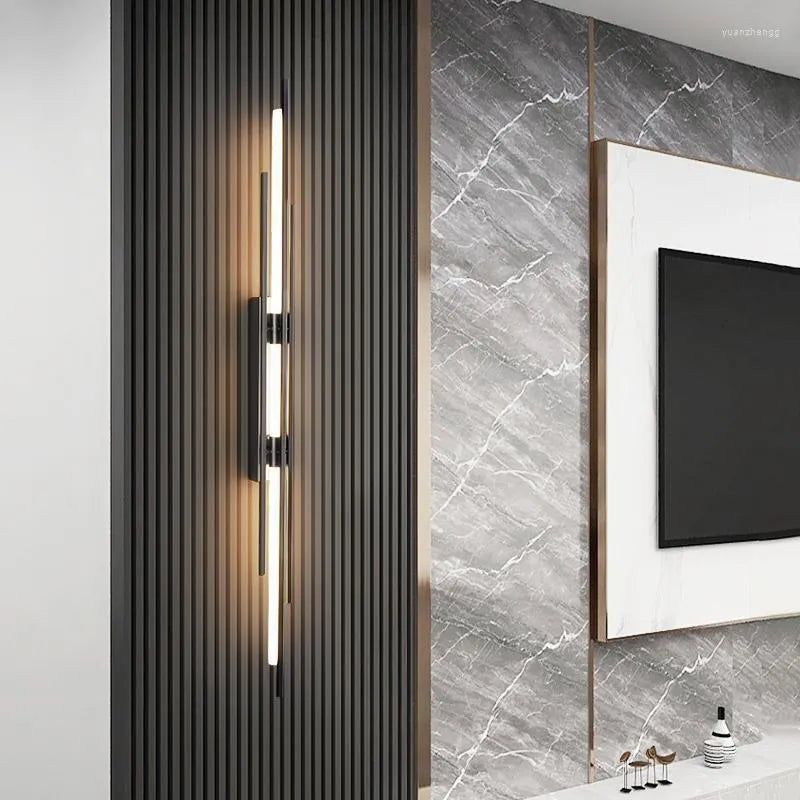
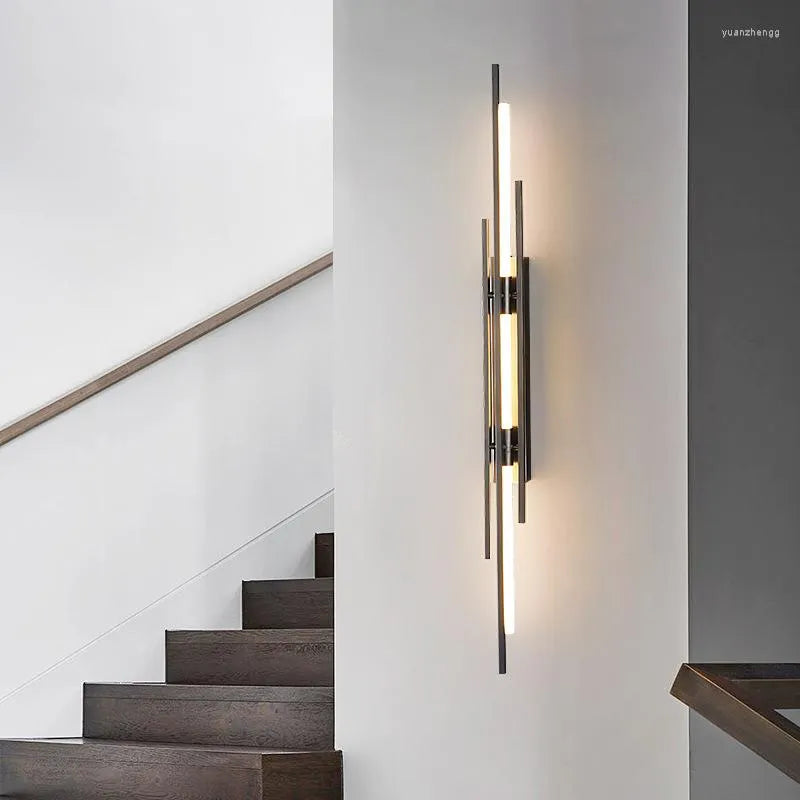
• Geometric or Industrial Interiors: In a very contemporary, monochrome interior with an intentionally cool, graphic aesthetic, cool white can reinforce the design intent. Our Geometric Circle Wall Light in matte black, paired with cool white, creates exactly this effect.
A common mistake in Indian homes: using cool white in the bedroom because it feels 'brighter' or 'cleaner'. Bright is not always better in a bedroom. Cool white light at 6500K actively signals wakefulness to your brain, exactly the opposite of what you want when you are trying to sleep.
How Amber Glass Shades Change Everything
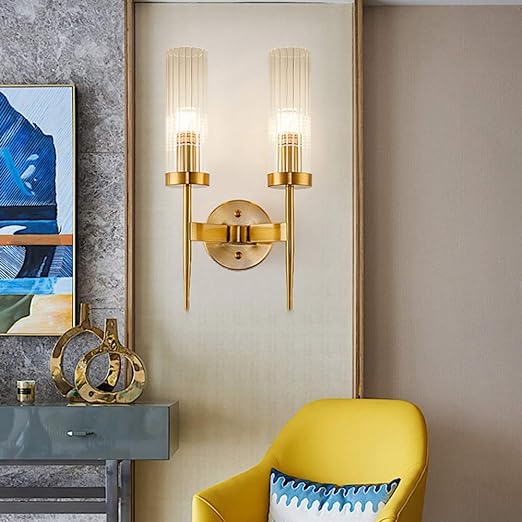
Here is something most lighting guides do not tell you: if your fixture has an amber or tinted glass shade, your chosen bulb colour temperature will be significantly warmed by the glass itself. Our Lotus Leaf Glass Wall Lamp, for example, uses an amber cylindrical shade. Even with a natural white bulb (4000K), the light that reaches the room will read much warmer, closer to 2700–3000K.
This means:
• Always use warm white bulbs with amber glass shades, cool white through amber glass looks muddy and greenish.
• With clear glass shades, the bulb colour temperature you choose is what you get.
• With frosted diffuser shades (like in our Geometric Circle Wall Light), the diffuser softens and very slightly warms the light, but the effect is subtle.
The Room-by-Room Guide: Quick Reference
|
Room |
Recommended |
Kelvin |
Why |
|
Bedroom |
Warm White |
2700–3000K |
Sleep support, flattering, relaxing |
|
Living Room |
Warm White |
2700–3000K |
Welcoming, comfortable ambience |
|
Dining Room |
Warm White |
2700–3000K |
Food looks appetising, faces look warm |
|
Kitchen |
Natural White |
3500–4000K |
Task clarity, colour accuracy |
|
Bathroom / Vanity |
Natural White |
3500–4000K |
True skin-tone rendering |
|
Home Office |
Natural White |
4000K |
Reduces eye strain, supports focus |
|
Hallway / Entryway |
Warm White |
2700–3000K |
Welcoming first impression |
|
Study / Reading Room |
Cool White |
5000–6500K |
Maximum alertness and text clarity |
|
Pooja Room |
Warm White |
2700–3000K |
Reverent, soft, ceremonial quality |
|
Staircase |
Warm White |
2700–3000K |
Safe, atmospheric, residential feel |
Shop Sparc Lights' full range at sparclights.in, all products available in your preferred colour temperature
Visit our New Delhi showroom: sparclights.in
Contact: info@sparclights.in | +91 98717 70554